Supple
Forgives
Forgives
little slip-ups
Stretchy enough for your very first try. At around 21 °C room temperature it stays beautifully supple — and colours and blends however you like.
Stretchy, tear-resistant, silky-smooth in seconds — whether it's your first cupcake or your 500th cake.

 AI Animation
Stretchy enough for your very first try. At around 21 °C room temperature it stays beautifully supple — and colours and blends however you like.
Roll it out to 3–4 mm without tearing — exactly the thickness your cake needs. New to this? Go a little thicker. It's your fondant, your rules.
Coloured fondant and finished decorations keep for weeks when wrapped airtight, cool and dark. Perfect for prepping roses, lettering or your exact shade of colour ahead of time — Rollfondant gives you maximum lead time on decorating. How long your finished artwork lasts comes down to the filling, not the covering.
Classic fondant dissolves on cream — but our chocolate version with real couverture doesn't. Your secret weapon for the next cream cake.
Direct from pati-versand.de — secure payment & fast shipping.
4 flavours, each a little work of art. Tap a card to flip it
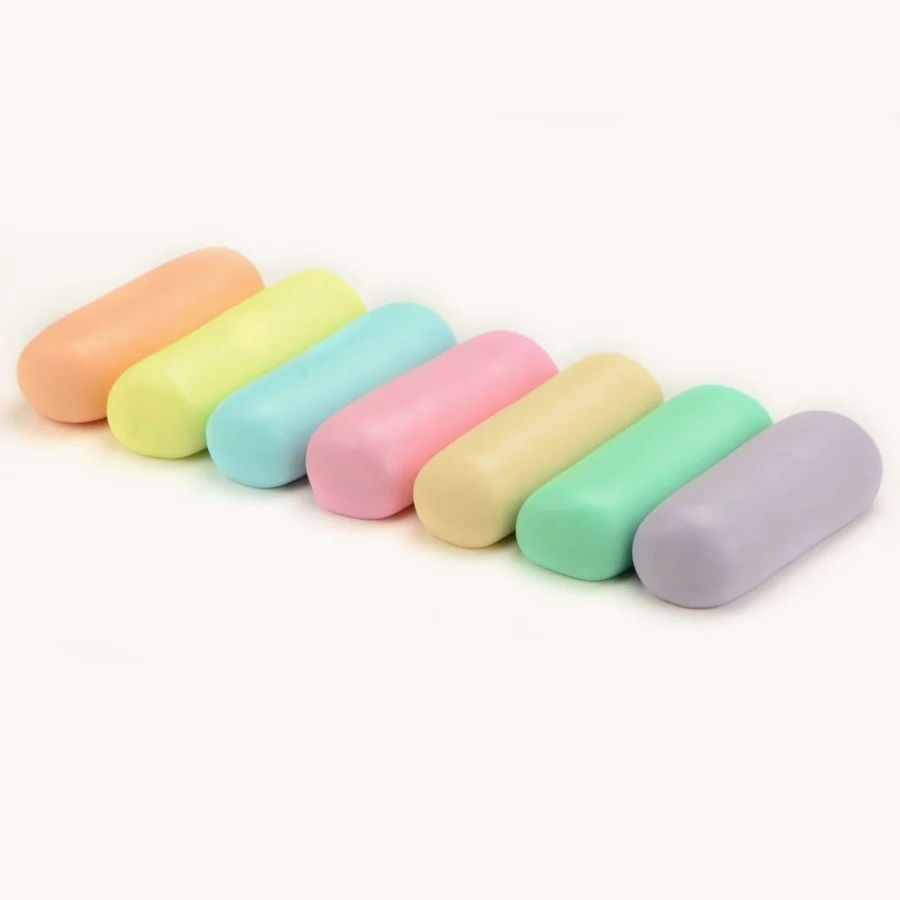
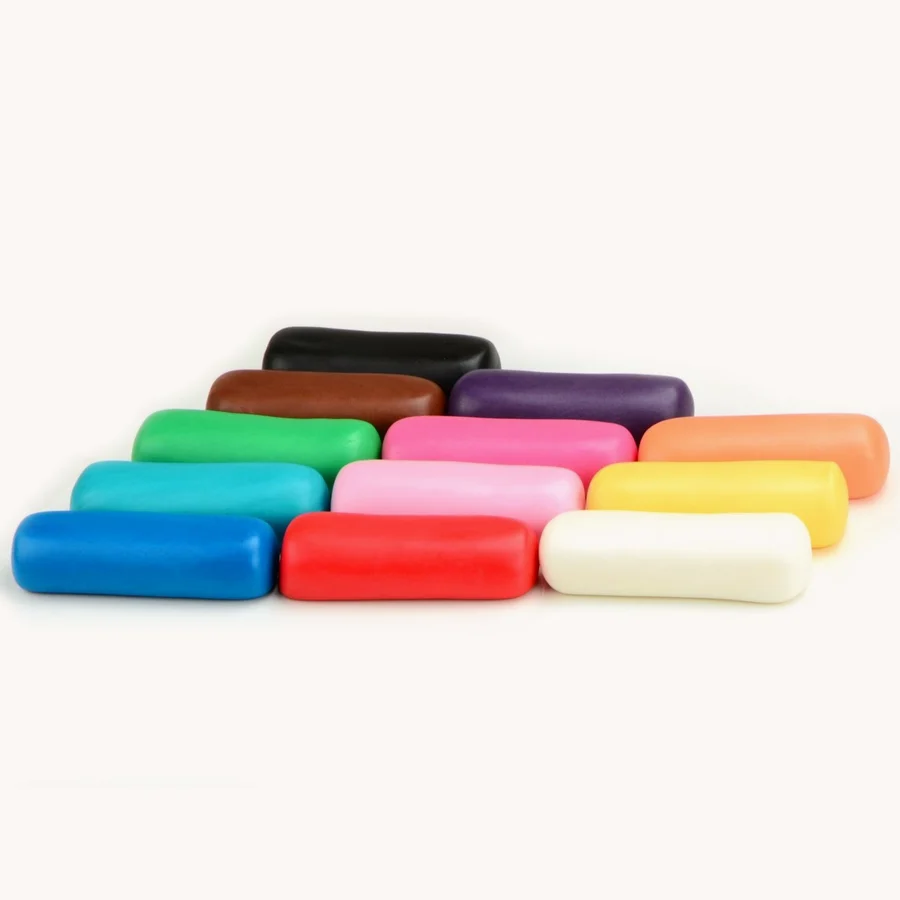
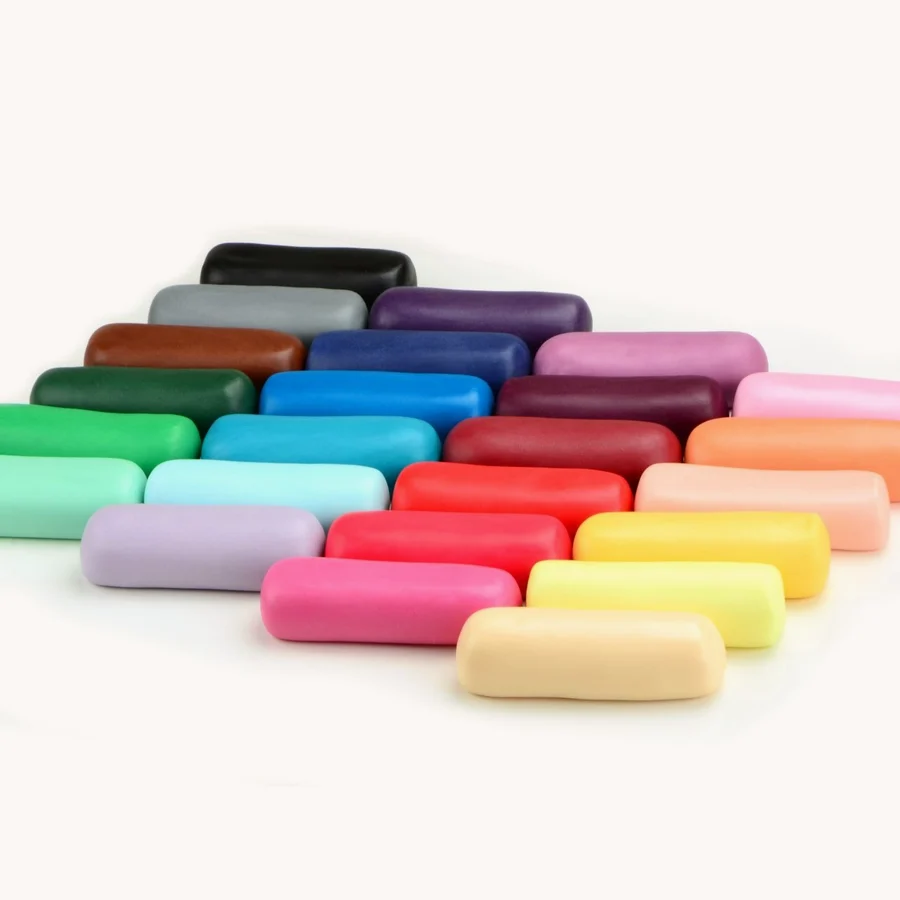
Our value sets — more colours, more possibilities, one package
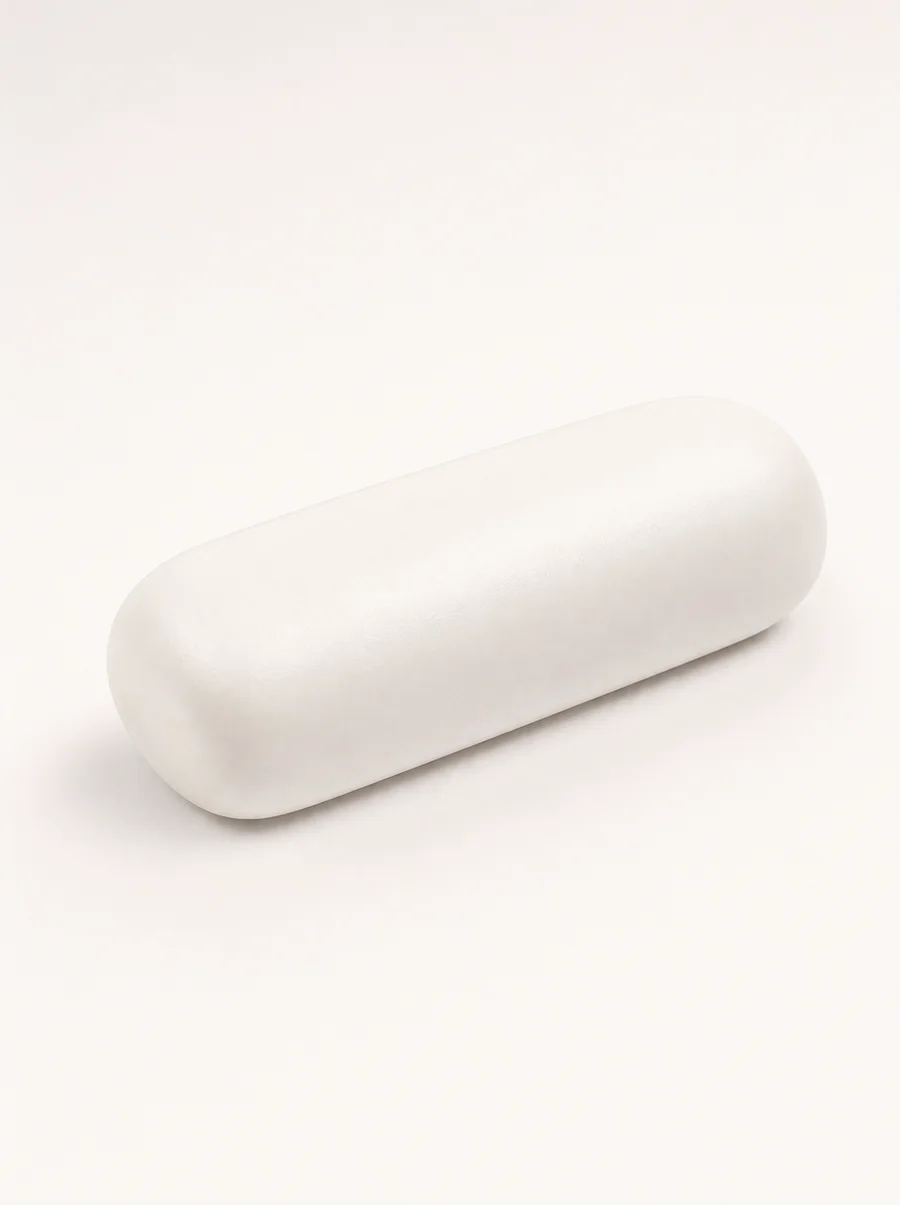
Your pick: White
How much do you need?
Tip: buy 3 colours, get 1 how-to PDF free.
We'll work it out for you — using the real baker's rule of thumb
You'll need approx.
600g
Rollfondant
Our recommendation: 1 kg — with a safety buffer.
Shop this amount in your colour →Better a little too much than too little — leftovers keep for weeks wrapped airtight.
Estimate based on approx. 3–4 mm thickness (rule of thumb: diameter + 2 × height + 10 cm allowance). Roll thinner or add lots of decoration and you may need more.
Real reviews from the shop — from people who actually bought the fondant
Quotes are shown in the reviewers' original German
Basics
At 3–4 mm thickness you're on the safe side — that's the ideal thickness for covering a cake. Honestly: the thinner you roll it, the higher the risk of tearing. So if you're new to this, go a bit thicker (approx. 4 mm) — that's not cheating, that's smart.
Yes — promise. The most important trick: roll it a bit thicker (approx. 4 mm) rather than too thin, and cut the fondant sheet generously (diameter + 2 × height + 10 cm allowance). Leftovers can simply be reused if wrapped airtight. You've got this!
Knead it well at room temperature first — ideally with a little fat on your hands, e.g. non-stick cream, taking care not to work in air bubbles (if you do, remove them with a modelling tool needle). Then roll it out on cornflour, which — unlike icing sugar — doesn't clump. Pros use a rolling mat, which needs no cornflour or icing sugar at all. 3–4 mm is enough for covering a cake; rolling guides or spacer rings help keep the thickness even. Lift the fondant now and then as you roll so nothing sticks.
For rolling out: baker starch or icing sugar as a work surface. You'll find the matching accessories right in our shop — just tap:
Available in our shop
Working & decorating
Colouring white Rollfondant yourself is easy: either mix two fondant colours following basic colour theory, or work in our food colour paste — apply it with a toothpick and knead thoroughly until the colour is even (add more for a deeper shade). For a pretty marbled look, knead a little unevenly on purpose. Liquid food colouring doesn't work well: the moisture can dissolve the sugar.
The surface should be even and not too dry — otherwise the fondant sheet won't stick properly. On dry surfaces (e.g. ganache), a thin layer of edible glue or water helps it adhere. Don't overdo it: fondant is sensitive to moisture.
Let them dry uncovered at room temperature — ideally loosely covered with a piece of cardboard. That keeps dust off the figures, and stops light from fading the colours.
Rollfondant works great for covering cakes — the only exception is cream, which dissolves classic fondant. To model figures, mix it with CMC powder or gum paste so the decoration hardens properly. Gum paste itself is the finest choice for delicate flowers, but it hardens too firm to cover a cake with. Modelling chocolate is firmer, works for covering and modelling without any special surface, but only turns supple with the warmth of your hands — Rollfondant is usually easier to start with. Marzipan comes as a raw paste, used to fill cakes or chocolates, or as worked marzipan (for figures, flowers and covering cakes). This has a firm consistency, which makes the paste elastic yet stable.
Types & properties
Classic fondant dissolves on cream — but our chocolate version with real couverture is cream-proof. Alternatively: keep the cream inside the cake only, with a ganache or our buttercream mix as a barrier on the outside.
Fondant with a cocoa content. Cheaper versions often contain only cocoa powder — high-quality chocolate Rollfondant, on the other hand, is made with real couverture. With a high couverture content it can even be used on cream cakes without a barrier layer, and thanks to its stretch and tear-resistance it's also well suited to beginners.
Classic Rollfondant is gelatine-free by default and vegan. For coloured versions it's worth checking the ingredients list — some red shades, for example, may be coloured with carmine (cochineal). For halal, also check for sugar alcohols such as sorbitol (E420) or mannitol (E421).
Storage
Several weeks — if you store it airtight (cling film or a freezer bag, then a container), cool and dark. For coloured fondant, also keep it out of direct sunlight so the colours don't fade.
Uncovered, on a solid board, in the fridge — a cover would create condensation and soften the fondant. Wrap up any moist or strong-smelling foods nearby well, or the fondant will pick up their smell or moisture. 6–8 °C is ideal. Take it out about an hour before cutting — and never leave it in direct sunlight.
As long as its filling stays fresh — the fondant itself keeps much longer. Once the cake is cut, storage and outside conditions matter too.
Heat, high humidity or storage that's too warm can make fondant soft or sticky. Wrap it airtight and let it rest in the fridge — several hours if needed. A small bowl of rice in the container will draw out extra moisture. Fondant works best at around 21 °C. It also helps to work with Rollfondant during the cooler morning or evening hours.
Short videos showing what's possible with our Rollfondant
These videos are hosted on YouTube. Loading them connects your browser to Google and transmits your IP address — which is why we ask first. We load the videos via youtube-nocookie.com.
Nothing is loaded from YouTube unless you click
Ideas from our @pativersand account